


Attachment Therapists In Austin, TX
Your Relationship Patterns Aren't Random. They Have a History and They Can Change.
At Marsha Lowes Psychotherapy in Austin, TX, I provide specialized attachment therapy for adults who are ready to understand why they connect the way they do and build the capacity for relationships that feel safe, mutual, and real. As one of Austin's attachment therapists focused on adult relational patterns, I work with avoidant attachment, anxious attachment, disorganized attachment, and the family of origin dynamics that created them.

When Attachment Wounds Show Up
Attachment struggles can look “high functioning” from the outside. You might be successful at work, capable, supportive, and steady for everyone else, while your inner life feels anything but steady in relationships.
Some common signs include:
You crave closeness but feel anxious when you cannot read someone’s tone or mood
You replay conversations and search for what you did wrong
You feel panicky when someone takes space, even if they say they are fine
You choose partners who are emotionally unavailable, then feel ashamed for wanting more
You need a lot of reassurance, or you avoid asking for what you need at all
You feel relief when a relationship ends, then miss it intensely later
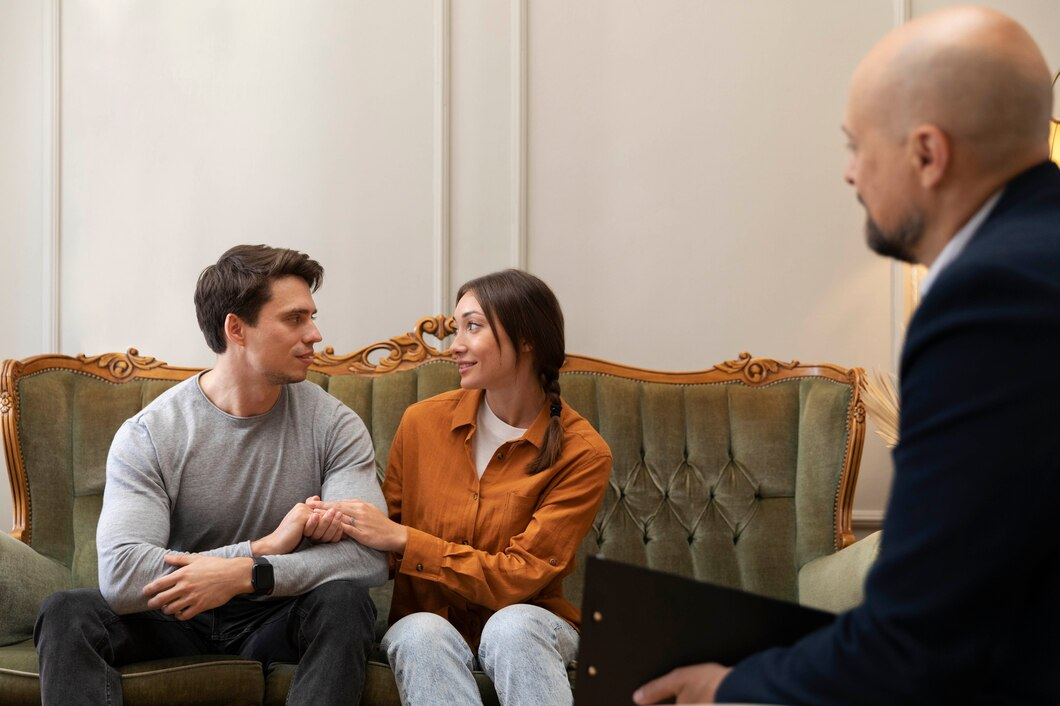
Attachment Therapy in Austin
If you keep finding yourself stuck in the same relationship patterns, it can start to feel personal. Like you are doing something wrong, or like you should be past this by now. But a lot of what people call “chemistry” is attachment at work. The ways we reach for closeness, protect ourselves, pull away, cling tighter, shut down, overthink, people-please, or brace for rejection often make perfect sense when you understand what your nervous system learned about love early on.
Attachment therapy is not about blaming your parents or digging for a single event that explains everything. It is about getting curious about the pattern, noticing what sets it off, and building a steadier way of relating to yourself and the people you care about. If you are looking for attachment therapy, this work can help you feel less hijacked in the moments that matter most.
My Approach as an Attachment Therapist in Austin, TX
Effective attachment therapy requires more than psychoeducation about attachment styles. It requires the kind of sustained, attuned relational experience that creates new neural pathways; not just new self-knowledge.
As an attachment therapist in Austin, I draw from:
Attachment-Based Therapy
Centers the therapeutic relationship as a vehicle for healing. This provides the consistent, attuned presence that builds earned security over time.
Emotionally Focused Therapy (EFT)
Addresses the emotional cycles and underlying attachment needs driving relational patterns in ways that produce deep and lasting change.
Somatic Approaches
Attachment is a nervous system experience before it is a cognitive one. Body-based work reaches the level where attachment patterns actually live.
Internal Family Systems (IFS)
Exceptionally effective for attachment work, helps clients access and heal the inner parts formed by early relational experiences, including the fiercely independent avoidant part and the hypervigilant anxious part.
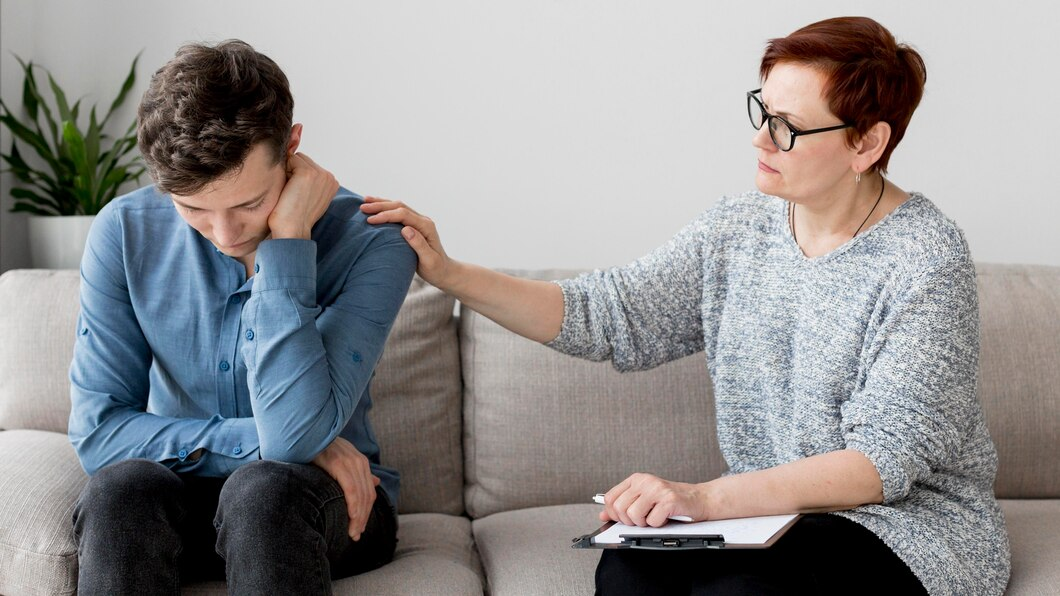
Understanding your Pattern With Compassion
In attachment therapy, I will slow down and examine the moments when your system gets activated. The text that goes unanswered. The shift in tone. The feeling of being left out, misunderstood, replaced, or criticized. The urge to chase, fix, explain, or withdraw.
If you resonate with anxious attachment, you might notice a deep sensitivity to distance. You may feel pulled to reach out quickly, to smooth things over, to get certainty. If you resonate with avoidant attachment, you might feel pressure when someone wants closeness, and your body might respond by shutting down, detaching, or needing space. Neither of these patterns means you are broken. They are strategies. They developed for a reason.
A big part of healing is learning to recognize what is actually happening in the moment. Not “I am too needy” or “I am cold,” but “My system is trying to keep me safe.” When you can name that, the shame starts to loosen its grip.

What Attachment Therapy Actually Looks Like in Practice
Secure attachment is not a personality type. It is a felt sense. It is the ability to stay connected to yourself while you stay connected to another person. It is knowing that you can ask for what you need without collapsing into panic or control and knowing you can handle discomfort without disappearing.
In our work together, we may focus on:
Strengthening your ability to notice and regulate your own nervous system
Learning how to communicate needs clearly, without apologizing for having them
Making sense of triggers, not just reacting to them
Practicing boundaries that are honest and kind
Rebuilding trust in your own instincts
Repairing after conflict, instead of spiraling or avoiding it
Why Choose Marsha Lowes Psychotherapy for Attachment Therapy in Austin
Relational Depth
Attachment therapy only works in a relationship that models what it teaches. I bring warmth, consistency, and genuine attunement to every session because the relationship is the therapy.
In-Person and Telehealth
I offer in-person and secure telehealth sessions throughout Texas. Accessing skilled attachment therapists should never be a barrier to getting care.
Family of Origin Expertise
I work with the full history of how your attachment style formed; not just current symptoms. This produces change that is deeper and more durable.
Trauma-Informed
Disorganized attachment and complex family of origin dynamics involve real trauma. I bring specialized trauma training to every attachment case that requires it.
All Attachment Styles Welcome
Whether you're anxiously attached, avoidantly attached, or somewhere in between, my work as an attachment therapist in Austin meets you exactly where you are.
Safe and Confidential
Everything you share stays in the room. You can say the things you're afraid to say to the people who love you without consequences.
Frequently Asked Questions
-
Many clients come in with a general sense of their patterns — "I always push people away" or "I'm always too much." You don't need a formal diagnosis first. Part of early attachment therapy is identifying and understanding your specific style together, in the context of your history.
-
Yes. Research clearly supports the development of what is called "earned secure attachment" — a secure relational style built through consistent therapeutic and relational experience, even in people who began with anxious, avoidant, or disorganized attachment styles. It takes sustained work, and it is absolutely possible.
-
Never. As an avoidant attachment therapist in Austin, I understand that pushing produces shutdown; not opening. We move entirely at your pace. The goal is to make vulnerability gradually feel safer, not to demand it before safety has been established.
-
Yes. Anxious attachment therapy targets the relational and early developmental roots of anxiety, specifically the attachment wounds that drive hypervigilance, reassurance-seeking, and fear of abandonment. General anxiety therapy may not reach the relational layer where anxious attachment actually lives.
-
Primarily individual, though the impact on your relationships is often profound. As you shift your internal working models through attachment therapy, your relational patterns change which changes the dynamic in your current relationships, frequently in ways your partner directly notices and benefits from.

Your Attachment Style Is Not Your Destiny. Let's Rewrite the Blueprint.
If you’re ready for relationships to feel a little less tense and a lot more steady, I’d be glad to help. Reach out to schedule a consultation, and we’ll talk about what you’re looking for and what support could look like from here.
Ready to begin? Schedule a consultation or call to learn more about couples therapy at our Austin practice.