

Religious Trauma Therapy In Austin, TX
What Was Done in the Name of Faith Was Still Harm. You Deserve to Heal From It.
Religious trauma is real, clinically recognized harm. Whether it came from a high-control religious group, a spiritually abusive community, a church that weaponized shame, or a belief system that taught you your body, your desires, and your questions were dangerous; the impact is not something you simply walk away from when you stop attending services.
At Marsha Lowes Psychotherapy in Austin, TX, I provide specialized religious trauma therapy for people who are rebuilding their sense of self, their values, and their lives after harmful religious experiences. I offer a space that is genuinely safe; not just professionally neutral for every part of this process.
What religious trauma looks like
Religious trauma isn't about having disagreements with theology. It's about the psychological impact of harmful religious experiences like practices, beliefs, or structures that damaged your sense of safety, autonomy, or self-worth.
This can include:
Fear-based teaching
Growing up terrified of hell, convinced that any wrong thought or action could condemn you. The hypervigilance of monitoring your own soul for signs of sin.
Spiritual abuse
Leaders who used their authority to control, manipulate, or exploit. Being told that questioning was sinful. Having your doubts weaponized against you.
Identity suppression
Being told that who you are like your sexuality, your gender, your personality, your calling is wrong and needs to be fixed or hidden.
Purity culture
Messages that tied your worth to your sexual "purity," created shame around your body, or framed normal human desires as dangerous and dirty.
Conditional belonging
Love and community tied to compliance. The threat—spoken or unspoke that stepping out of line means losing everything and everyone.
Black-and-white thinking
A worldview with no room for nuance, doubt, or complexity. The exhaustion of maintaining certainty about everything.


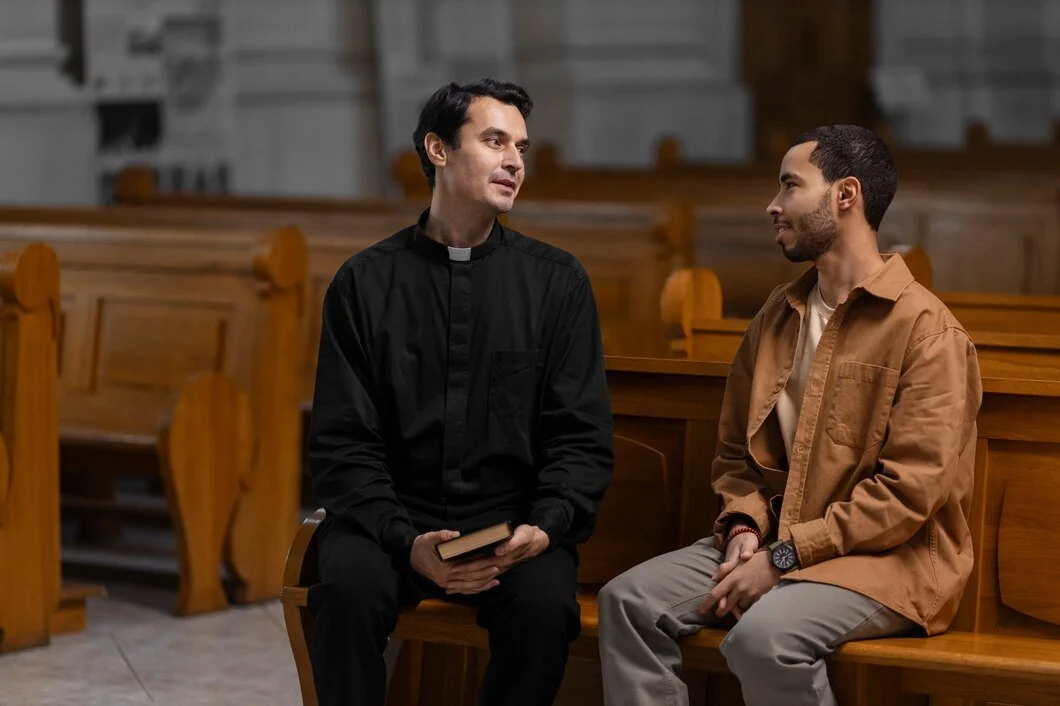
Deconstruction is the process of examining beliefs you inherited like pulling them apart, holding them up to the light, deciding what to keep and what to release. It's not about destroying faith; it's about choosing consciously rather than automatically.
Deconstruction can happen with or without trauma. Some people simply outgrow beliefs that no longer fit their adult understanding. Others deconstruct because the faith that was supposed to sustain them became the source of harm.
Either way, deconstruction isn't betrayal or failure. It's intellectual and spiritual honesty—the courage to ask hard questions even when the answers might be uncomfortable.
Deconstruction
My Approach to Religious Trauma Therapy in Austin, TX
Religious trauma therapy requires more than clinical competence; it requires a therapist who holds no religious agenda, who doesn't push clients toward or away from faith, and who genuinely understands the specific dynamics of religious harm.
I provide exactly that. My approach to spiritual abuse recovery and religious trauma therapy draws from:
Trauma-Informed Care
Religious trauma is trauma. I apply the same careful, body-aware, consent-based approach I bring to all trauma work.
Somatic Approaches
Purity culture and high-control religion leave marks on the body, not just the mind. I integrate body-based work to address what cognition alone can't reach.
Narrative and Values Clarification Work
Helps you reconstruct a coherent identity and personal value system that belongs to you; not to the group you left.
Grief-Informed Therapy
Leaving a religion involves profound loss. I treat that grief directly; not as a side effect, but as central to the healing process.
Internal Family Systems (IFS)
IFS provides a powerful framework for understanding and healing these parts without pathologizing them.

High-Control Religion and Spiritual Abuse Recovery
Leaving a high-control religious group is not like leaving a church you've outgrown. High-control groups including denominations, independent ministries, cults, and spiritually abusive families use systematic methods to regulate thought, restrict information, and create dependency. Leaving means losing your entire social world, your identity, your daily structure, and often your family.
High-control religion recovery and spiritual abuse recovery address the specific aftermath of these environments:
Thought patterns instilled by high-control groups — black-and-white thinking, thought-stopping, loaded language
The grief and disorientation of losing your entire community at once
Family estrangement and shunning — one of the most painful aspects of leaving
The re-learning of basic autonomous decision-making after years of external authority
Trust — of yourself, of others, and of institutions
The long process of building a life and identity outside the group's framework
I bring clinical expertise and genuine familiarity with the dynamics of high-control religious environments to this work. You don't have to explain or justify the impact. I already understand why it's significant.
Healing from Religious Trauma
Therapy for religious trauma addresses several layers:
Validation
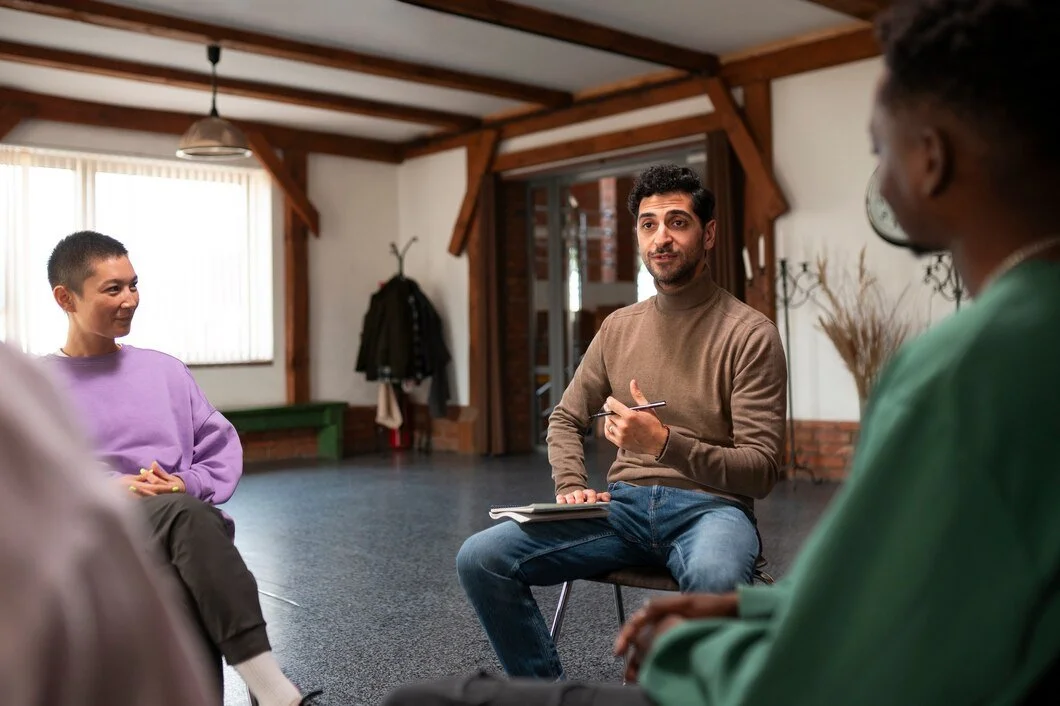
Having someone acknowledged that what happened was harmful without minimizing it as "just church stuff" or dismissing religion entirely can be profoundly healing.

Nervous system healing
Fear-based religion keeps your nervous system in threat mode. Even after you've intellectually left, your body may still react to triggers like church bells, certain phrases, holidays, and family visits. Somatic approaches help your system update to present reality.

Grief
Gottman-certified therapist has worked with couples across all levels of relational strain. From communication struggles to crisis, bringing structured expertise to even the most difficult situations.

Identity work
Who are you outside of the identity that was given to you? What do you actually value, want, and believe? This can take time to discover.
Untangling shame
Religious shame goes deep like shame about your body, your thoughts, your desires, your doubts. We work on separating your inherent worth from the messages that you have otherwise told.
Building new supports
Leaving a religious community often means losing your entire social network. We can explore how to build connections in new ways.

Why Choose Marsha Lowes Psychotherapy for Religious Trauma Therapy in Austin
No Religious Agenda
I hold no investment in your spiritual outcome. Whether you return to a modified faith, adopt a secular worldview, or remain somewhere between all paths are equally valid here.
Genuine Familiarity With Religious Harm
I understand the specific dynamics of purity culture, high-control religion, and spiritual abuse; you won't spend your sessions educating me on why it was harmful.
In-Person and Telehealth
I offer in-person religious trauma therapy and secure telehealth sessions throughout Texas access to specialized care doesn't require geography.
Affirming and Inclusive
I serve LGBTQ+ clients, clients of color, single parents, and anyone whose marginalized identity made their religious experience additionally harmful.
Safe, Truly Non-Judgmental Space You can say the things you've never been able to say like anger, doubt, relief, grief, complicated love without any reaction that mirrors the shame you're trying to leave behind.

Your Healing Doesn't Require Anyone's Permission. Let's Start.
Austin has a unique position—a progressive city in a state with significant conservative religious influence. Many people here are navigating the aftermath of religious upbringings that no longer fit their adult lives and values.
I work with people from various religious backgrounds, including those raised in evangelical Christianity, Catholicism, Mormonism, Jehovah's Witnesses, and other traditions. Sessions are available in person in Austin and via telehealth throughout Texas.
If you're questioning, deconstructing, or carrying wounds from religious experiences, you don't have to process this alone.
Ready to begin healing? Schedule a consultation to talk about your journey.
Frequently Asked Questions
-
No. Some clients are still inside the community they're questioning. Others left years ago. Religious trauma therapy meets you wherever you are in the middle of deconstruction, recently out, or long post-exit but still carrying the effects.
-
That's a very common experience, and spiritual abuse recovery doesn't require abandoning faith entirely. I help clients separate genuine spiritual beliefs from the harm caused by a particular community, leader, or doctrine without pushing any theological conclusion.
-
No. Purity culture harms people of all genders, though the specific impacts differ. Men, non-binary people, and LGBTQ+ individuals all carry distinct wounds from purity culture teachings. My purity culture trauma therapy is inclusive of every person with the doctrine affected.
-
Faith deconstruction therapy involves processing grief, clarifying your own values, managing the relational fallout of leaving, and rebuilding identity. Sessions are conversational and reflective; I don't assign a theological destination. I help you navigate the process with stability and self-trust.
-
High-control religion recovery addresses specific mechanisms including thought control, information restriction, shunning, dependency, and totalistic identity that general trauma therapy may not account for. A therapist familiar with these dynamics provides more targeted, effective support than a generalist approach allows.